As the beautiful days approach, the spontaneous desire for a picnic often arises. However, one of the major challenges remains the quick defrosting of food, a crucial aspect for ensuring food safety. Let us explore together how to best prepare for your outdoor outings with some practical tips.
Preparing your food before defrosting
Organization and planning
Effective preparation is essential to avoid any surprises. Before considering defrosting your food, it is crucial to organize it well within your freezer. Sort your food into categories: meats, vegetables, prepared dishes. This simplifies their retrieval and allows you to evaluate the necessary defrosting time.
Choosing the right foods
Some foods lend themselves better to quick defrosting than others. Fruits like berries and pre-cut vegetables are ideal for immediate use. They thaw quickly and can be incorporated directly into your picnic recipes.
- Favor individual portions for faster defrosting.
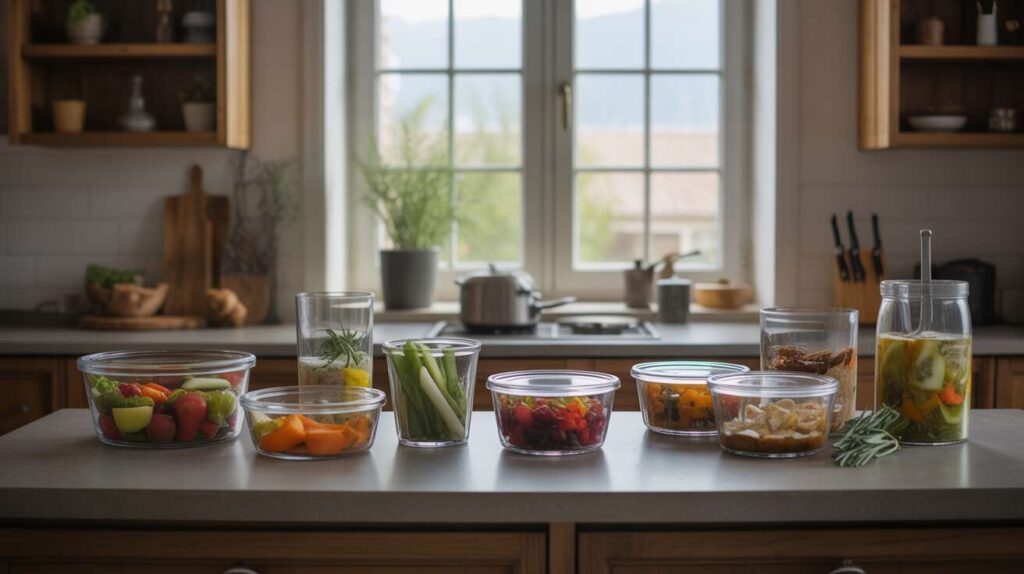
- Utilize airtight containers to prevent contact with air and bacteria.
Once your foods are well-prepared, it’s time to explore the safest defrosting methods.
Safe defrosting methods: refrigerator and cold water
Refrigerator defrosting
The refrigerator remains a safe and effective method for defrosting your foods without risk. Place them on a plate or tray to prevent juices from contaminating other foods. This method is ideal for larger items like cuts of meat. However, it requires some planning, as it can take several hours.
Cold water defrosting
Using cold water is a quick alternative to the refrigerator. Place your food in a sealed plastic bag and submerge it in a bowl of cold water. Change the water every 30 minutes to maintain a constant temperature and prevent bacterial growth.
- Ensure the bag is securely sealed to avoid any contamination.
- This method is perfect for small portions, defrosting within one to two hours.
After exploring these methods, let us see how a microwave can expedite the defrosting process.
Using the microwave for quick defrosting
Operation and settings
The microwave is a valuable ally for quickly defrosting your foods. Use the specific defrost function if your appliance has one. This option automatically adjusts the power to prevent the food from starting to cook.
Precautions to take
While fast, this method requires certain precautions. Regularly monitor your food to ensure it does not start to cook. Once defrosted, cook them immediately to ensure freshness and prevent bacterial growth.
- Never defrost food in its inappropriate plastic packaging.
- Prefer glass or ceramic dishes for even heat distribution.
For those who wish to avoid defrosting entirely, cooking directly from frozen presents an interesting option to explore.
Tip: cooking without defrosting
Benefits of direct cooking
Some foods can be cooked directly from their frozen state. This method is not only quick but also convenient for those short on time. Vegetables, for example, can be directly added to a pan or wok.
Foods suitable for this method
Here are some foods that adapt well to cooking without defrosting:
- Frozen vegetables: perfect for stir-fries or soups.
- Seafood: such as shrimp and mussels, which cook quickly.
With these tips, you are now ready to organize a successful impromptu picnic.
Optimizing impromptu picnics
Organization and logistics
To ensure a stress-free picnic, prepare a checklist of essential items in advance: blankets, reusable cutlery, and cold drinks. Choose simple and quick dishes to prepare so you can fully enjoy your day.
Choosing the right locations
Opt for shaded, comfortable spots with seating areas for your belongings. Parks, beaches, or lakesides are perfect for moments of relaxation outdoors.
- Make sure the chosen location permits picnicking.
- Remember to bring trash bags to keep the area clean.
To make your picnic enjoyable and responsible, consider adopting eco-friendly practices.
Encouraging ecological and zero-waste picnics
Zero-waste practices
With increasing ecological awareness, our aim is to reduce the environmental impact of your outings. Use reusable containers and water bottles for your drinks. Avoid disposable packaging and choose local products to support the local economy.
Sustainable recipes
Prepare homemade dishes with fresh, seasonal ingredients. Legume salads, vegetable spreads, and fresh fruits are excellent options for an environmentally friendly picnic.
- Remember to bring washable cloth napkins.
- Prefer unpackaged or bulk foods.
By adopting these practices, your picnics will not only be convivial but also respectful of our planet.
By combining rapid defrosting tips and eco-friendly practices, you are well-equipped to enjoy your impromptu picnics to the fullest. Whether with family or friends, these moments of sharing now come with responsible gestures for lasting enjoyment.