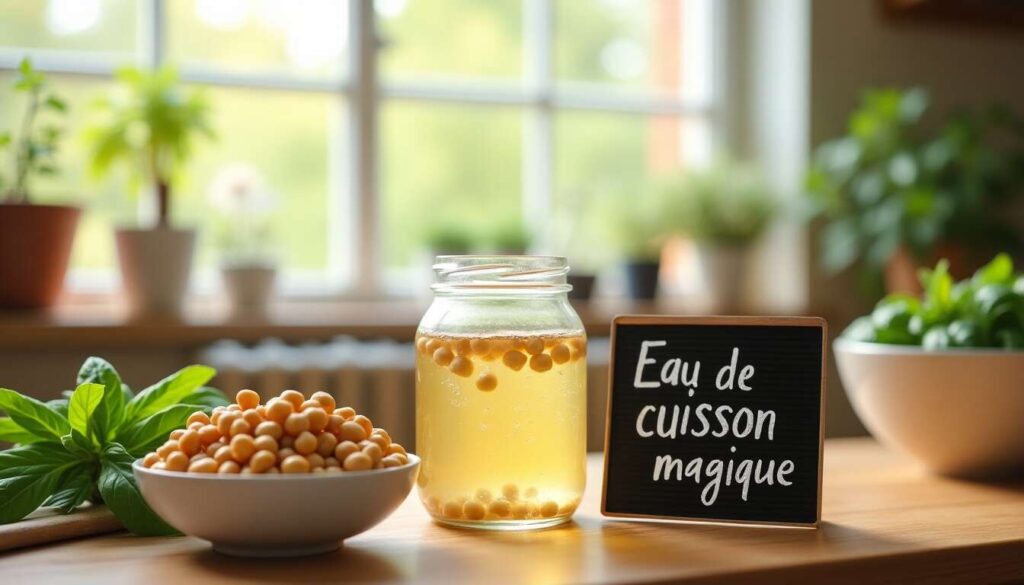
Imagine a remarkably versatile ingredient often overlooked in the kitchen: chickpea cooking water, commonly known as aquafaba. Many people are unaware of this nourishing and adaptable liquid; however, it deserves our attention as it offers a myriad of uses, particularly in the realm of plant-based cuisine. Far from being merely a cooking liquid, aquafaba is an economical and healthy alternative to eggs. Let us explore this unexpected culinary treasure and the various ways to incorporate it into our cooking.
Aquafaba: an unsung culinary ally
An astonishing discovery
Aquafaba, a term derived from the Latin meaning “water” (aqua) and “beans” (faba), has been a revelation for many chefs and cooking enthusiasts. This liquid, extracted from cooking chickpeas, is not only rich in proteins but also possesses exceptional emulsifying properties. Thanks to its ability to whip up like egg whites, it has become a precious resource for those following animal-free diets.
Exceptional properties
Aquafaba is unique: it can transform into a firm foam. This characteristic makes it an ideal ingredient for recipes requiring lightness and creaminess. Contrary to what one might think, aquafaba does not leave a residual chickpea taste in dishes once cooked.
Now that we’ve established this, let’s discuss how we can effectively substitute eggs with aquafaba in everyday cooking.
How aquafaba can replace eggs in cooking
A plant-based alternative
For those looking to reduce their egg consumption or who suffer from allergies, aquafaba serves as a reliable alternative. Considered a perfect substitute, using it as an egg replacement is simple: three tablespoons of aquafaba replace one whole egg, while approximately two tablespoons can replace one egg white.
Practical applications in baking
The possibilities that aquafaba offers in baking are numerous. From crispy meringues to airy mousses, it serves as an excellent substitute for eggs. Here are a few preparation ideas:
- Mousses, light and airy, where whipped aquafaba blends beautifully with melted chocolate.
- Meringues that remain crispy on the outside and soft on the inside.
- Cakes where it adds unparalleled moisture.
This leads us to the question of how to conveniently store chickpea cooking water for future use.
Tips for properly storing chickpea cooking water
Storage techniques
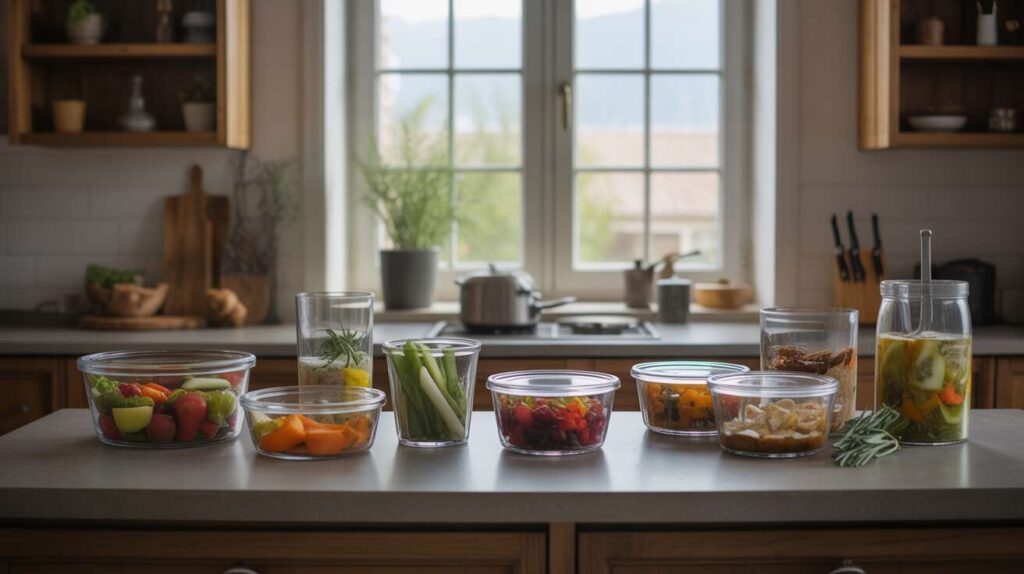
Storing aquafaba is straightforward and practical. The main tip to avoid waste is to freeze it. You can freeze aquafaba in ice cube trays, allowing you to use it whenever needed. In this manner, it can be stored for several months without losing its properties.
Practical advice
Before freezing, it is advisable to strain the aquafaba to remove any impurities. Once frozen, it can be thawed at room temperature. Be sure to shake or lightly whip the thawed aquafaba to restore its uniform consistency before use.
After storing effectively, it’s time to experiment with aquafaba to create delicious new recipes.
Delicious recipe ideas using aquafaba
Sweet recipes to try
Aquafaba opens up new horizons in the culinary world. Here are some sweet recipe ideas where this ingredient becomes a star player:
- Chocolate Mousse: Combine whipped aquafaba with melted chocolate for a light and indulgent mousse.
- Meringues: A simple preparation with aquafaba and powdered sugar, baked for a delightful crispy treat.
Innovative savory options
Beyond sweets, aquafaba can also be incorporated into savory dishes such as:
- Homemade breads where it helps create a soft crumb.
- Vegan mayonnaise where it substitutes egg yolks for a creamy result.
These ideas illustrate that aquafaba is much more than just cooking water; it proves to be a culinary ally that is both flavorful and sustainable.
Throughout this culinary journey, we discover that opting for aquafaba not only minimizes food waste but also diversifies our dishes while fostering a more responsible approach to cooking. Each use of this valuable cooking water can make a positive and flavorful difference in our daily lives.