Mastering spices is a valuable skill that can elevate an ordinary dish into an extraordinary culinary experience. Properly balancing spices is essential for achieving the right taste without overwhelming the palate. In this article, we will explore various methods and tips for seasoning like a professional.
Understanding the importance of flavors and intensities
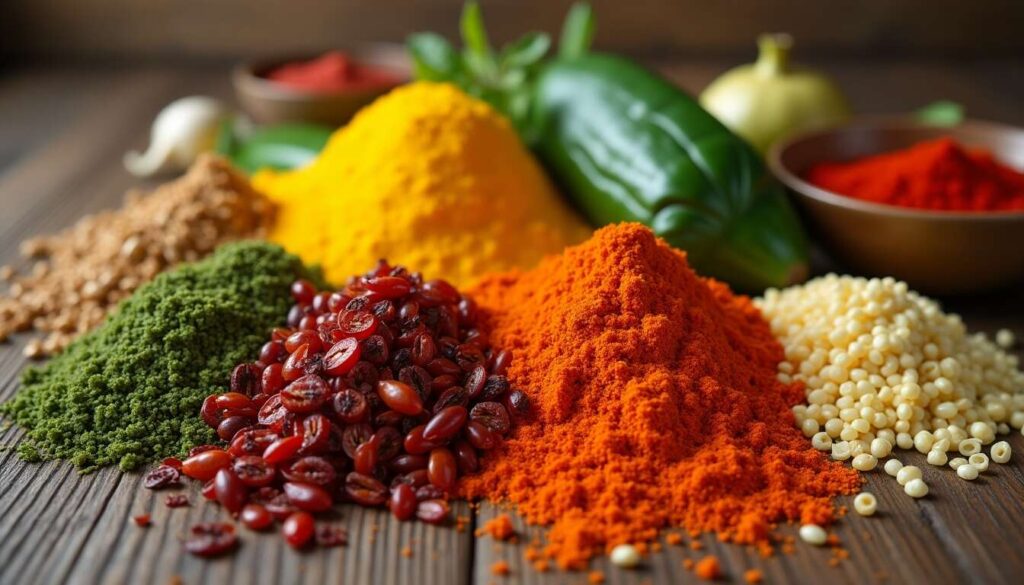
The world of diverse spice flavors
Each spice carries its own aromatic signature and taste characteristics. For instance:
- Turmeric delivers a mild and slightly earthy flavor.
- Cinnamon adds a sweet and warm note.
- Pepper and chili are bold spices that bring heat.
Recognizing these differences is crucial for measuring and combining spices effectively in your dishes.
The significance of intensity
Spice intensities vary greatly. Certain spices, like paprika, are more subtle, while others, such as cloves, possess a strong potency. The ability to gauge these intensities will allow you to modulate your seasoning appropriately.
Having explored the importance of flavors and intensities, let us now discuss how to apply this understanding in the practice of seasoning.
The golden rule of gradual seasoning
Begin gently
The first rule is to start small. A gradual approach ensures that you do not exceed the desired flavor threshold. Add your spices a little at a time and taste regularly.
Measuring tools
Using measuring tools such as scales or measuring spoons is crucial for precise seasoning:
| Tool | Estimated Weight |
|---|---|
| Teaspoon | 2 to 3 grams |
| Tablespoon | 6 to 9 grams |
Respecting proportions
Recipes often provide solid foundations regarding proportions. However, adaptations based on personal taste are possible, as long as you remember to taste and ensure a balance of flavors.
Once the concept of progressive seasoning is established, it is essential to equip yourself with the right tools to manage spices effectively.
Essential tools for precise seasoning
Measuring instruments
For accurate spice measurement, a few tools are particularly recommended:
- Digital scale: for weighing exact amounts.
- Measuring spoons: for small quantities, such as teaspoons and tablespoons.
Using transparent containers
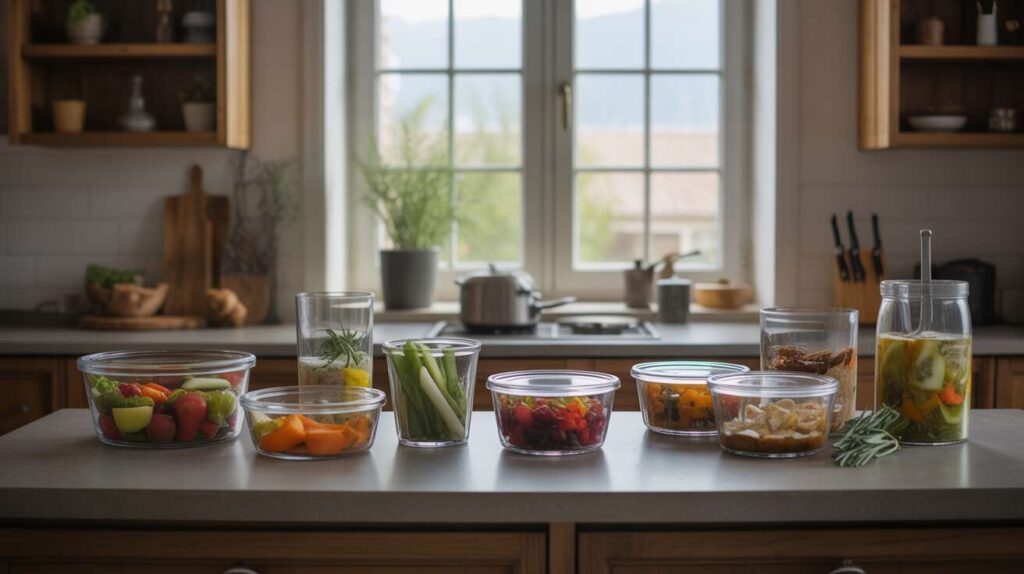
Spices maintain their quality better in transparent jars, allowing for quick evaluation of their content and ensuring freshness.
Next, let’s focus on the importance of adjusting seasoning based on your guests’ preferences.
Adapting seasoning to your guests
Knowing dietary preferences
Each guest has their own dietary preferences and restrictions. A prior discussion ensures that the chosen spices are suitable. Some individuals prefer milder dishes, while others enjoy bold flavors.
Personalizing dishes
You can customize each dish by separating portions or adding spices at the end of cooking for those who desire them. This offers flexibility and satisfies every guest.
After discussing how to adapt your seasoning for your guests, let’s explore how spice blends can become invaluable in your kitchen.
Spice blends: a culinary asset
Traditional blends
Spice blends, like garam masala or ras el hanout, are designed to balance flavors. These mixtures simplify the seasoning of dishes by providing a well-thought-out flavor profile.
Creativity in the kitchen
Creating your own blends allows you to express your creativity while adjusting flavors to your liking. Experiment with unique combinations to surprise and delight your guests.
With a good understanding of spice blends, it’s time to discuss the art of testing and adjusting flavors for a successful dish.
The art of testing and adjusting to your taste
The importance of taste testing
Regularly testing dishes during preparation is a reliable way to master flavor balance. Make adjustments based on your perception: a pinch of salt can enhance certain notes, while a bit of sugar can soften an overly acidic dish.
Balancing flavors
A good cook knows how to manipulate flavors. If a dish is too spicy, adding cream or coconut milk can mellow it out. Conversely, if it lacks punch, a zest of lemon or some fresh herbs can enliven it.
With all these techniques at hand, anyone can enhance their culinary skills. Equipped with this knowledge, seasoning spices becomes a mastered skill that beautifies the table.
Mastering the art of seasoning spices is essential for any cooking enthusiast aiming to elevate their dishes to masterpieces. By understanding the significance of flavors, applying the golden rule of gradual seasoning, utilizing precise tools, adapting seasonings to guests, experimenting with spice blends, and adjusting to taste, you can create refined, balanced dishes. This skill enriches your culinary experience and offers personal satisfaction with every tasting.