The preservation of fruits has become an increasingly pressing concern as we strive to minimize food waste and extend the shelf life of our produce. Discover how, with a few simple yet effective tricks, it’s possible to optimize the storage of your fruits, allowing you to enjoy them longer without compromising their quality.
Understanding the specific needs of each fruit
Classifying fruits by Storage requirements
Each fruit possesses unique characteristics that influence its preservation. Learning to classify your fruits according to their specific needs can help you manage your storage space more effectively.
- Delicate fruits: Berries, such as strawberries and raspberries, require quick consumption and should be stored in the refrigerator.
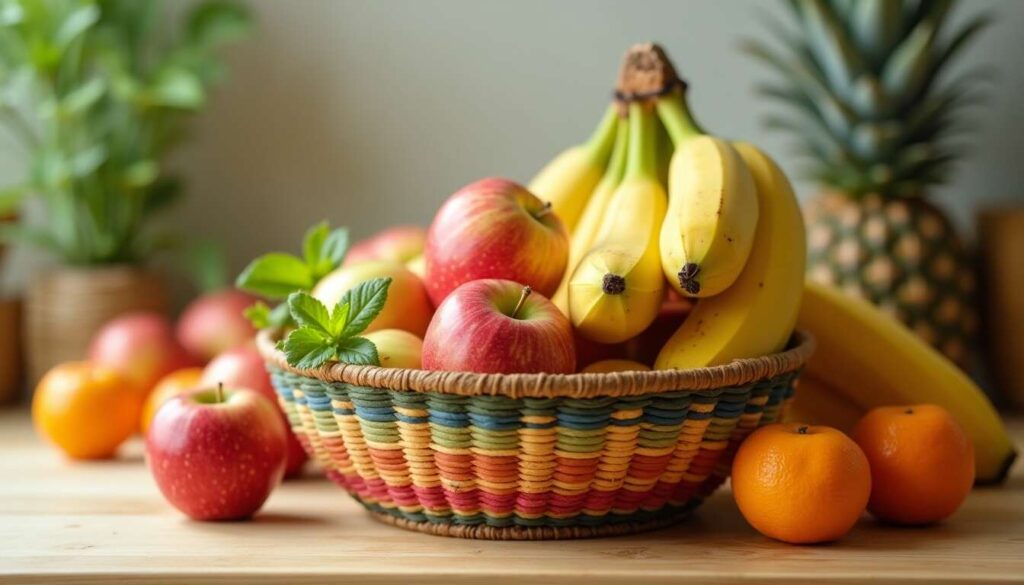
- Climacteric fruits: Apples and bananas continue to ripen after harvest, even at room temperature.
- Non-climacteric fruits: Citrus fruits and grapes do not ripen after picking and can be stored for longer periods.
Analyzing these differences aids in planning consumption and reducing waste.
A close examination of each fruit’s needs also facilitates the next step: determining the ideal storage environment.
Choosing between refrigerator and room temperature
Fruits to store cold or at room temperature
It’s crucial to know which fruits require which type of storage: refrigeration or room temperature.
- Fruits to refrigerate: Kiwis, plums, and berries are best kept in the fridge to slow the ripening process.
- Fruits at room temperature: Mangos, avocados, and peaches should remain outside the refrigerator until fully ripe.
This distinction ensures not only better preservation but also maintains taste and texture.
With this understanding, let’s move on to the significance of separating certain fruits to optimize overall storage.
Separating ethylene-producing fruits
The impact of ethylene on ripening
Some fruits emit a natural gas called ethylene, which can accelerate the ripening of nearby fruits. It thus becomes crucial to manage this aspect to prevent premature ripening.
| Fruit | Ideal Storage |
|---|---|
| Apple | Away from other fruits |
| Banana | Far from sensitive fruits |
| Avocado | Distance from apples for controlled ripening |
Understanding this process allows us to ensure that sensitive fruits do not ripen too quickly.
Having identified which fruits need to be isolated due to ethylene, let’s delve into the importance of choosing appropriate containers.
Prioritizing suitable containers
Improving preservation with the right containers
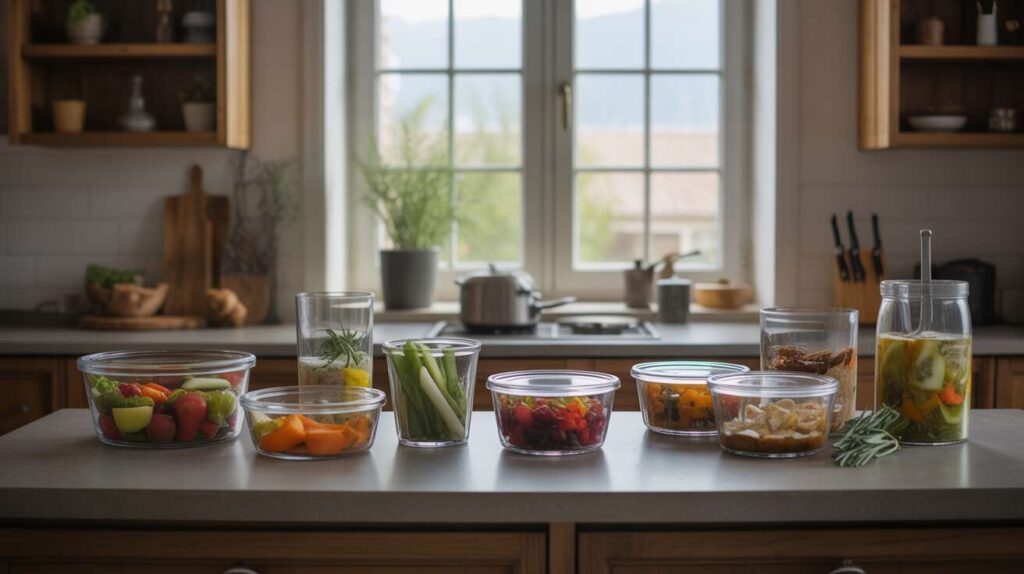
The use of quality containers can significantly influence the shelf life of your fruits. Hermetic or perforated boxes can provide an optimal environment.
- Hermetic boxes: Ideal for retaining moisture in grapes and preventing dehydration.
- Perforated boxes: Perfect for allowing fruits like apples to breathe and avoiding ethylene buildup.
Investing in these containers is a wise strategy for prolonging the life of your fruits.
After addressing the importance of containers, let’s consider how humidity plays a crucial role in fruit preservation.
Mastering humidity to extend freshness
The Perfect humidity balance
Humidity is a critical factor that can greatly influence the preservation of fruits. Maintaining an optimal environment is essential to prevent loss of freshness.
- Use cloths to absorb excess moisture around fruits like salads.
- Store citrus fruits in a lightly humid environment to extend their lifespan.
These simple adjustments can help prevent mold and keep your fruits appealing for longer.
Having discussed storage factors, let’s explore how natural methods can also be employed to preserve your fruits.
Using natural preservation tricks
Traditional methods for keeping your fruits fresh
There are several natural tricks to keep your fruits fresh longer without leaning entirely on modern technology.
- Sprinkle fruits with a dash of lemon juice to prevent the oxidation of apples.
- Wrap bananas in plastic around the stem to slow down their ripening.
These simple and effective practices allow you to extend the life of your fruits with minimal resources.
With knowledge of natural tricks, let’s now efficiently organize your storage space.
Wisely organizing your Storage space
Practical solutions for optimized Storage
A thoughtful organization can make the difference between fruits that last and those that deteriorate quickly. Establish designated areas for different fruit types to optimize their preservation.
- Create specific sections in your refrigerator for fruits that need to be stored cold.
- Use airy baskets for fruits left at room temperature.
A well-organized space will enhance the quality and longevity of your fruits.
As we optimize your space organization, let’s consider creative methods for storing your fruits.
Choosing alternative and creative methods
Innovation in fruit preservation
When traditional methods fall short, it might be beneficial to resort to alternative and creative solutions for preserving your fruits.
- Food dehydrators: Perfect for drying fruits and extending their shelf life.
- Homemade jams and compotes: A delicious way to transform and preserve your excess fruits.
These creative methods not only offer preservation solutions but can also inspire new culinary adventures.
By following these tips, you are now equipped to significantly reduce food waste while enjoying delicious and fresh fruits for longer. Adopt these practices today and make a positive impact on both the environment and your wallet!