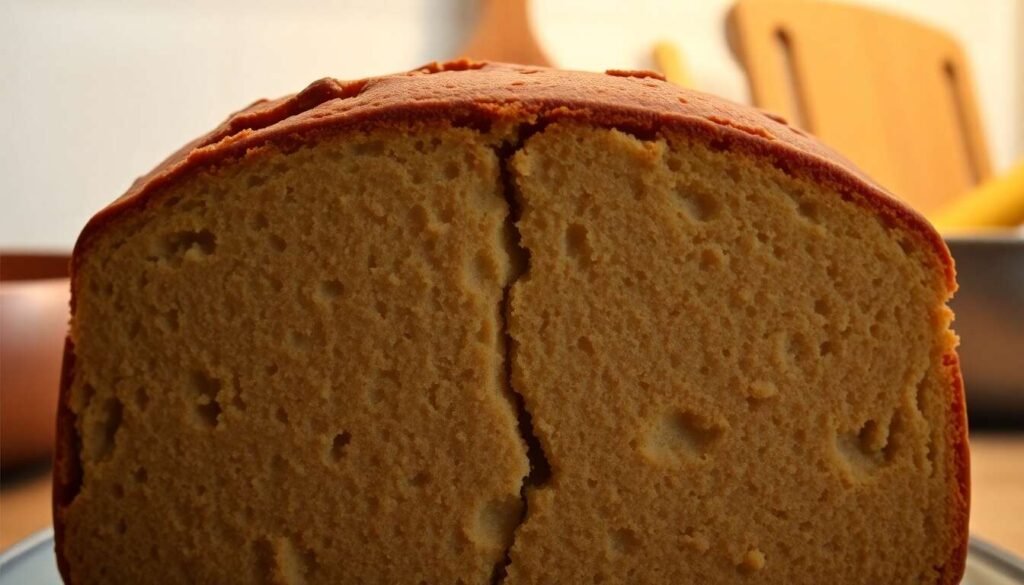
The surprise of finding a cake split in half right after it comes out of the oven can be quite disconcerting. This phenomenon, while common, can puzzle both amateur and experienced bakers alike. So, why do cakes crack in the middle? Let’s explore the various explanations and tips that will help you achieve flawless cakes.
Understanding the causes of cracking
Structure of the cake and internal pressure
A cake, when exposed to the heat of the oven, undergoes structural changes. The inner structure of the cake develops, which can sometimes lead to cracks forming in the center. The evaporation of moisture within the batter contributes to these cracks. As the top of the cake hardens, a crust forms, increasing internal pressure. This can result in fissures as this crust breaks apart.
The double-edged sword of baking temperature
The oven temperature is crucial in the baking process. Excessively high temperatures can cause the crust to cook too quickly while the interior continues to develop. Therefore, maintaining an appropriate and stable temperature is essential to avoid unpleasant surprises. Sometimes, using accessories like insulating strips can help regulate heat and ensure even baking.
Now that we’ve clarified the physical mechanisms, let’s address the preparation errors to avoid during the baking phase.
Identifying preparation mistakes
Ingredient handling
Improper handling of ingredients is a common mistake. Poorly mixed batter or incorrect proportions can destabilize the cake. For instance, incorporating too many whipped egg whites or insufficient moisture can make the cake’s texture crumbly. The interaction between the ingredients must be optimal to ensure even baking.
Common mistakes to avoid
One of the most detrimental errors is opening the oven prematurely. This causes a thermal shock that can disrupt the cake’s growing structure. The leavening agents may stop functioning correctly if heat escapes suddenly. Make sure to keep the oven closed until the baking is complete to form a well-structured interior.
Addressing these small mistakes can lead to a more enjoyable baking experience. Now, let’s focus on how you can tailor your baking process to meet your specific needs.
Adapting baking to your needs
Adjusting temperature based on cake type
Each type of cake requires a specific baking temperature for optimal development. Denser cakes prefer slow, low-temperature baking, while lighter cakes can tolerate higher temperatures for shorter time periods. Testing different temperatures can also help you better understand the thermal interactions of various ingredients.
The importance of the cake pan
The choice of cake pan is crucial. A pan that is too thick or has insulating edges can affect heat distribution. Metal pans reflect heat more evenly than glass pans, influencing the baking process. Adjusting your choice of pan based on the recipe can prevent undesirable cracks.
With a better understanding of the baking process, let’s move on to tips that will ensure your cakes succeed every time.
Tips for a successful cake
Preheating and measurement
Preheating is an often-overlooked yet vital step. Preheating the oven ensures that the cake starts to bake in a uniform environment. Also, make sure that ingredients are accurately measured. Using a scale provides precision, making the recipe more reliable than estimated measurements.
- Use a scale to measure your ingredients
- Follow the oven preheating times
- Adapt the recipe according to your environment (humidity, altitude)
Checking for doneness
Patience is essential. Checking for doneness with a toothpick inserted into the center of the cake is a reliable method to ensure it is thoroughly cooked. It should come out clean to confirm that the cake is fully baked.
For a cake that impresses, the key is to remember these tips and apply them consistently. With a deep understanding and precise practices, achieving perfect cakes will become second nature.
Approaching each stage of preparation with diligence and care helps prevent the issue of cracking cakes. Mastering temperature, optimizing pan use, and having a strong grasp of ingredients are essential for desserts worthy of the finest chefs. Keep these recommendations in mind during your next baking sessions to ensure an optimal result every time.