
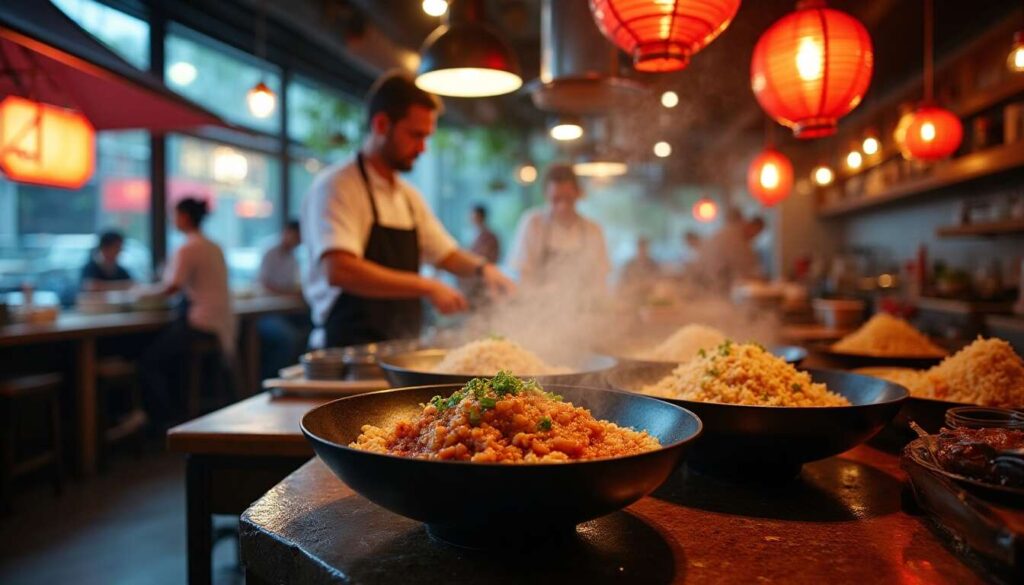
This summer, Asian cuisine will take center stage, delighting palates and promoting health. With a wide array of exotic flavors, this culinary trend, both delectable and beneficial, is set to captivate food lovers in 2025, placing Asia at the forefront of summer culinary trends.
Asia at the heart of summer culinary trends
A cuisine rich in flavors and benefits
Asian cuisine is acclaimed for its perfect balance between taste and nutritional value. It prominently features natural ingredients like ginger, turmeric, and garlic, which are not only flavorful but also health-promoting. In 2025, this equilibrium draws many consumers seeking wholesome and scrumptious meals.
Fermented dishes take the spotlight
Fermented foods such as Korean kimchi, Japanese miso, and kombucha are becoming increasingly popular. They offer probiotic benefits that aid digestion and bolster the immune system. Once rare, these items are now staples in supermarkets and restaurant menus.
As Asian cuisine influences the global culinary scene, Asian street food emerges as a true gastronomic revolution.
Asian street food: the art of dining on the go
A phenomenon on the rise
Asian street food, deeply rooted in the culinary traditions of various Asian countries, presents a unique dining experience. It embodies friendliness and authenticity. By 2025, this trend extends well beyond Asian borders, captivating food enthusiasts with its quick and flavor-packed offerings.
Accessible and diverse dishes
Street food features an array of original and affordable dishes. From Indonesian satays to Taiwanese bao and Japanese ramen, these specialties delight the taste buds of global cuisine aficionados. This accessibility and variety are key strengths of Asian street food.
From the streets to our shelves, Asian flavors are increasingly integral to our daily lives.
Asian flavors invade our pantries
Expanding offerings in supermarkets
Supermarkets are enriching their aisles with Asian products, making this cuisine more accessible to the general public. Sauces, spices, and typical ingredients are now available, empowering everyone to cook Asian dishes at home. This availability encourages the exploration and adoption of new flavors in everyday cooking.
Key ingredients of Asian cuisine
Among the essential ingredients are gochujang, yuzu, and Sichuan pepper. These elements provide intense and complex flavors, perfect for enhancing Western dishes. Chefs and home cooks alike are embracing them to create unique culinary experiences.
This integration of Asian flavors into our pantries paves the way for fusion cuisine, a field brimming with excitement.
Fusion cuisine: an innovative and tasty blend
Creativity takes center stage
Fusion cuisine, which combines elements from various culinary traditions, is gaining remarkable popularity. Chefs experiment by intertwining Asian flavors with those from other regions, thereby offering innovative and surprising dishes. This culinary approach enables the discovery of new taste combinations that appeal to gastronomes.
Examples of successful culinary creations
Notable creations include fusion sushi, kimchi burgers, and wasabi pizzas. These dishes, which blend diverse influences, reflect the richness and diversity of fusion cuisine. They perfectly illustrate how Asia inspires a new wave of culinary creativity.
In addition to revolutionizing flavors, Asian cuisine also commits to ethical and sustainable practices.
Ethical chefs: a sustainable cuisine inspired by Asia
An environmentally friendly approach
Asian cuisine is distinguished by its sustainable practices, utilizing local and seasonal ingredients. This philosophy encourages responsible and environmentally conscious consumption. By 2025, many chefs will adopt these practices, contributing to the promotion of sustainable gastronomy.
The benefits of ethical cooking
Choosing sustainable cuisine means favoring healthy products and reducing one’s ecological footprint. Asian dishes, often rich in vegetables and plant-based proteins, align perfectly with this approach. This trend meets growing consumer concerns for more responsible eating habits.
The increasing popularity of Asian cuisine is accompanied by a rising phenomenon: Asian “fast good.”
Focusing on the “fast good” Asian phenomenon
A healthy alternative to traditional fast food
The concept of Asian “fast good” is emerging in response to the demand for quick yet quality meals. It offers dishes inspired by street food, prepared with fresh and healthy ingredients. This model captivates with its ability to combine speed, taste, and well-being.
The rise of “fast good” chains
Numerous restaurant chains specialize in Asian “fast good,” providing varied and balanced menus. These establishments focus on dishes like poke bowls, bánh mì, and noodle salads, which are both nutritious and flavorful. This phenomenon caters to the growing desire for convenient meals without compromising on quality.
The allure of Asian cuisine continues to grow, enhancing our culinary experiences with new flavors and more responsible practices. In 2025, it stands out as a major force in the gastronomic world, redefining our eating habits with creativity and ethics.